Signs you may need opener repair & installation
Nothing happens when you press the button
Check power first: the outlet, a tripped GFCI, or a breaker. Then remote batteries and the wall control.
The motor hums but the door does not move
Possible causes include a stripped drive gear, a disconnected trolley, or a door that is too heavy because a spring has failed.
The door closes, then reverses
Often misaligned or dirty photo-eye sensors near the floor, an obstruction, or a force setting that needs adjusting.
Only the wall button works
Usually a remote battery, a remote that needs reprogramming, or a lock feature that was switched on at the wall control.
Grinding or chattering from the motor unit
Worn gears or a loose chain or belt. Continuing to run it can make a repairable opener unrepairable.
Common causes
- Safety sensors
- The photo-eyes on each side of the door must see each other. A bumped bracket or direct sunlight can interrupt them.
- Worn internal parts
- Drive gears, sprockets, and logic boards wear out or fail, especially on older units.
- The door, not the opener
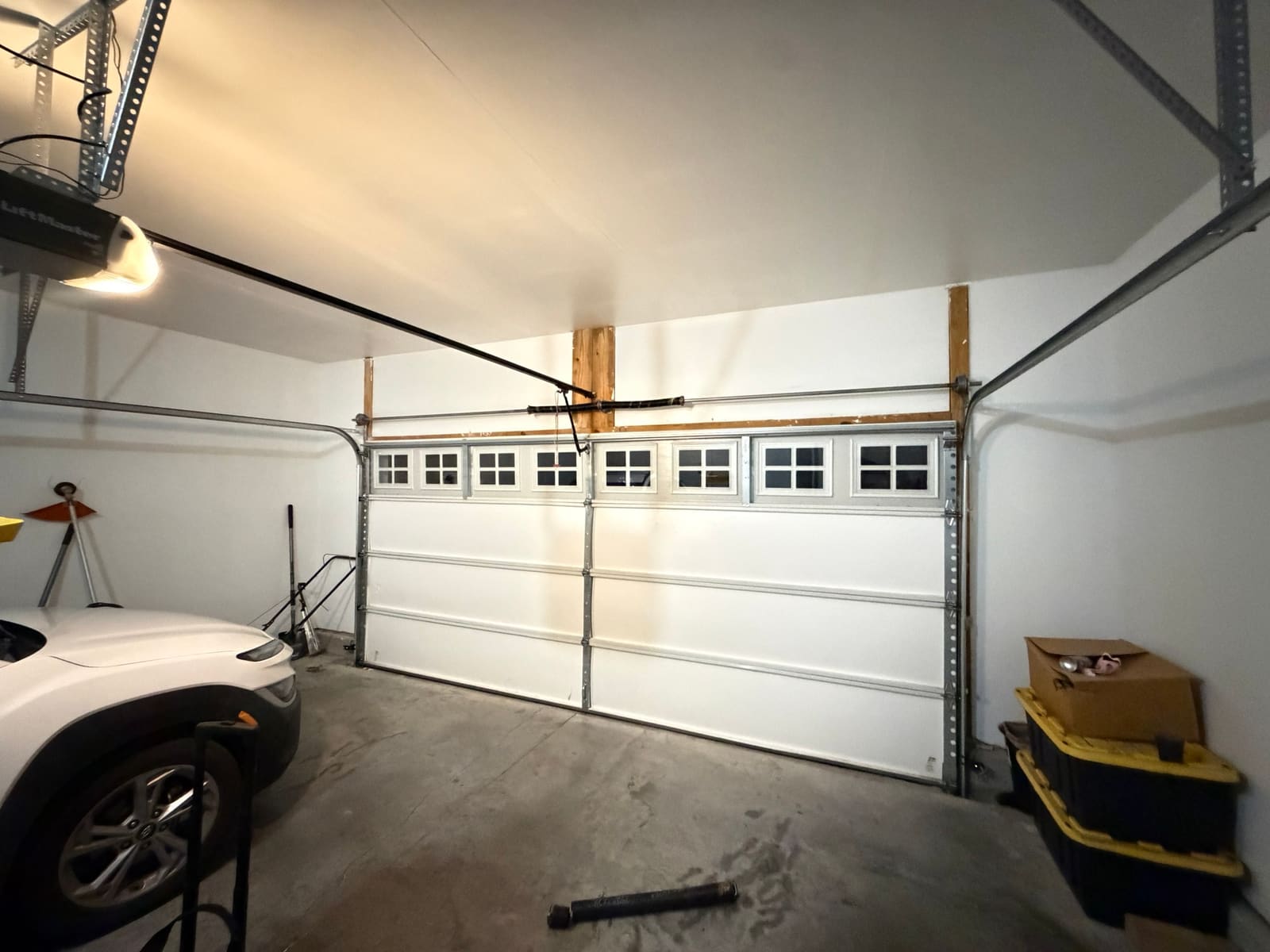
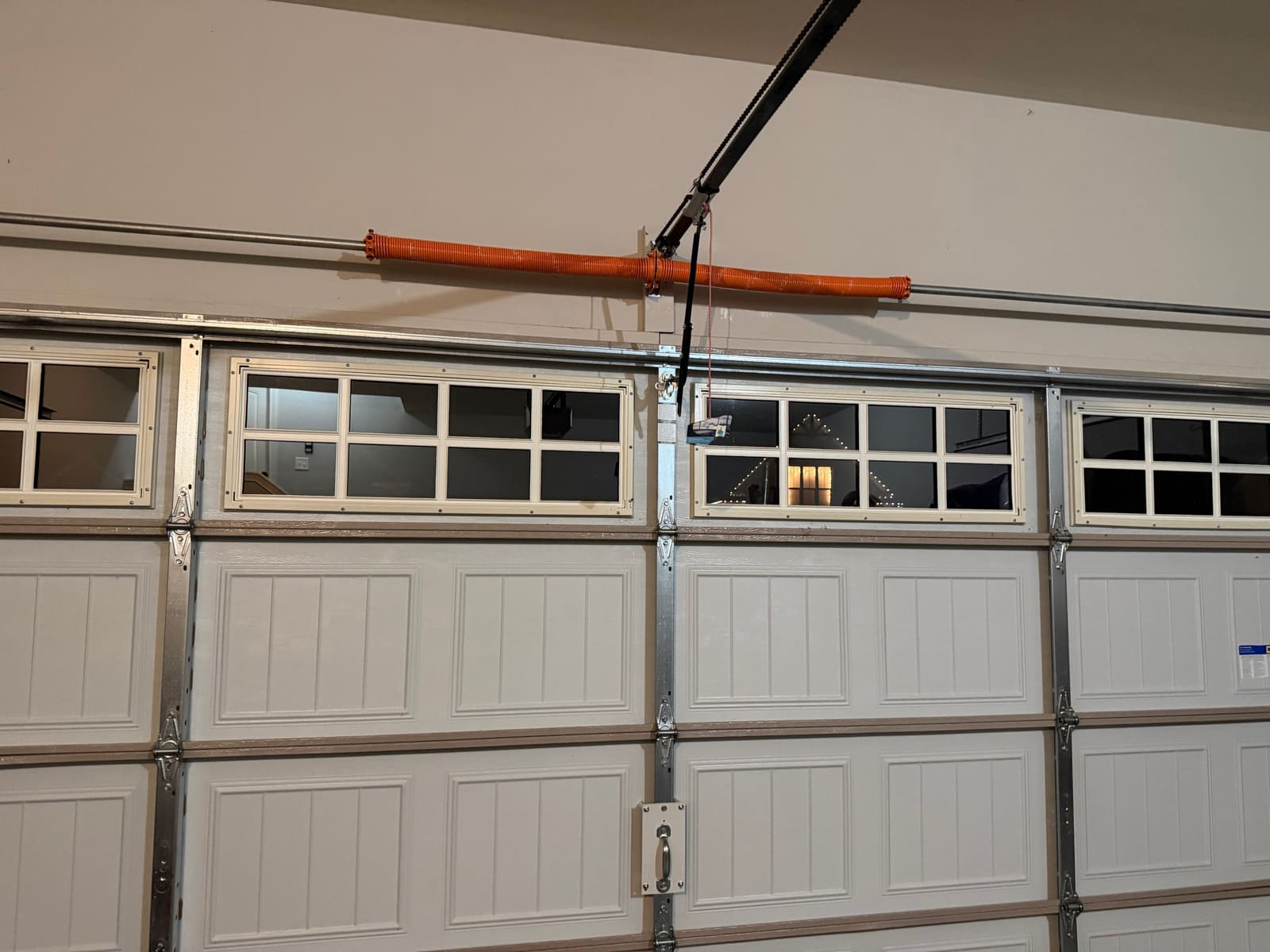
- Broken springs, binding rollers, or bent tracks overload the opener until it quits.
- Power events
- Storms and power surges can damage opener electronics. A surge protector is inexpensive insurance.
What a professional inspection covers
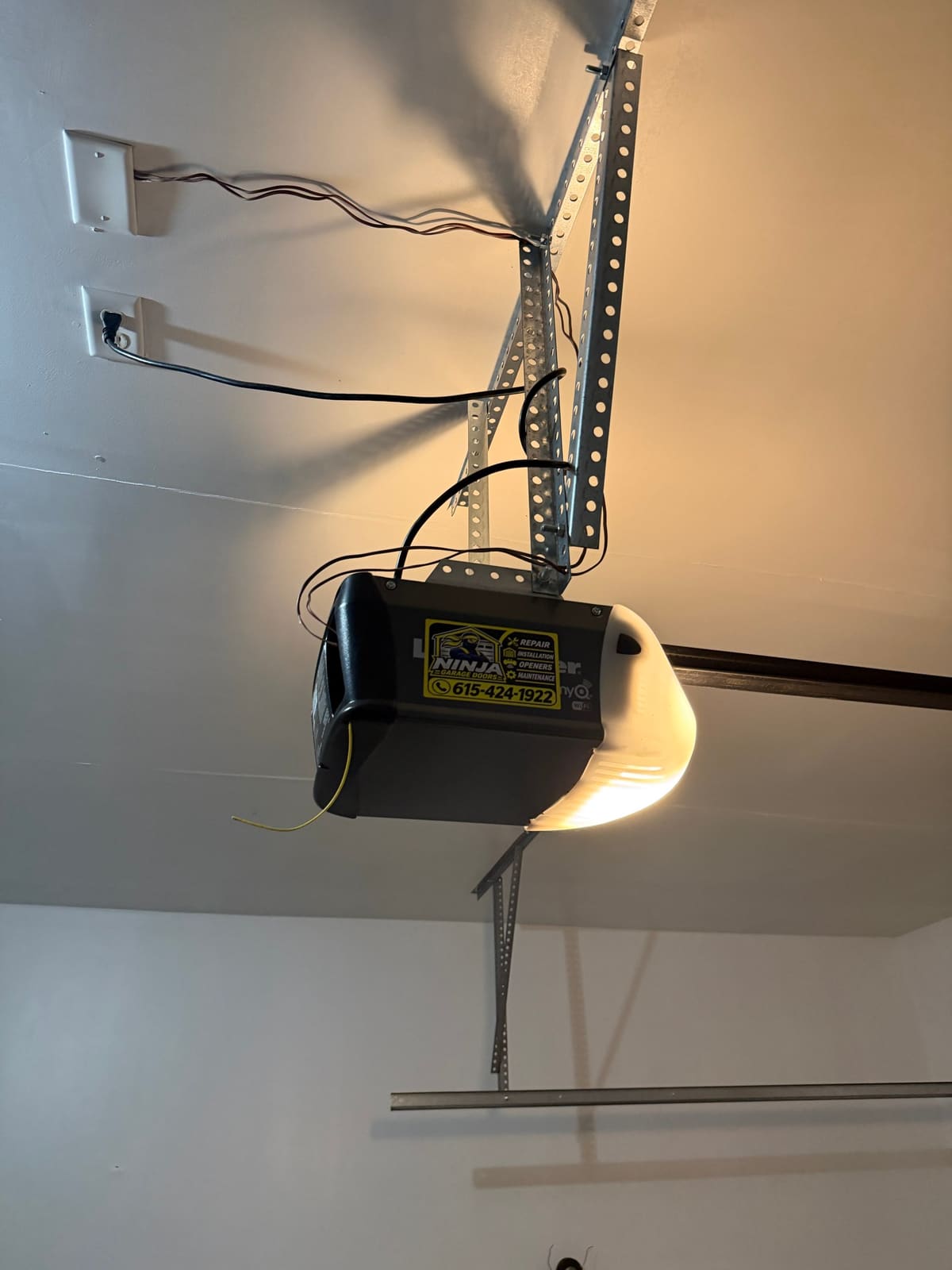
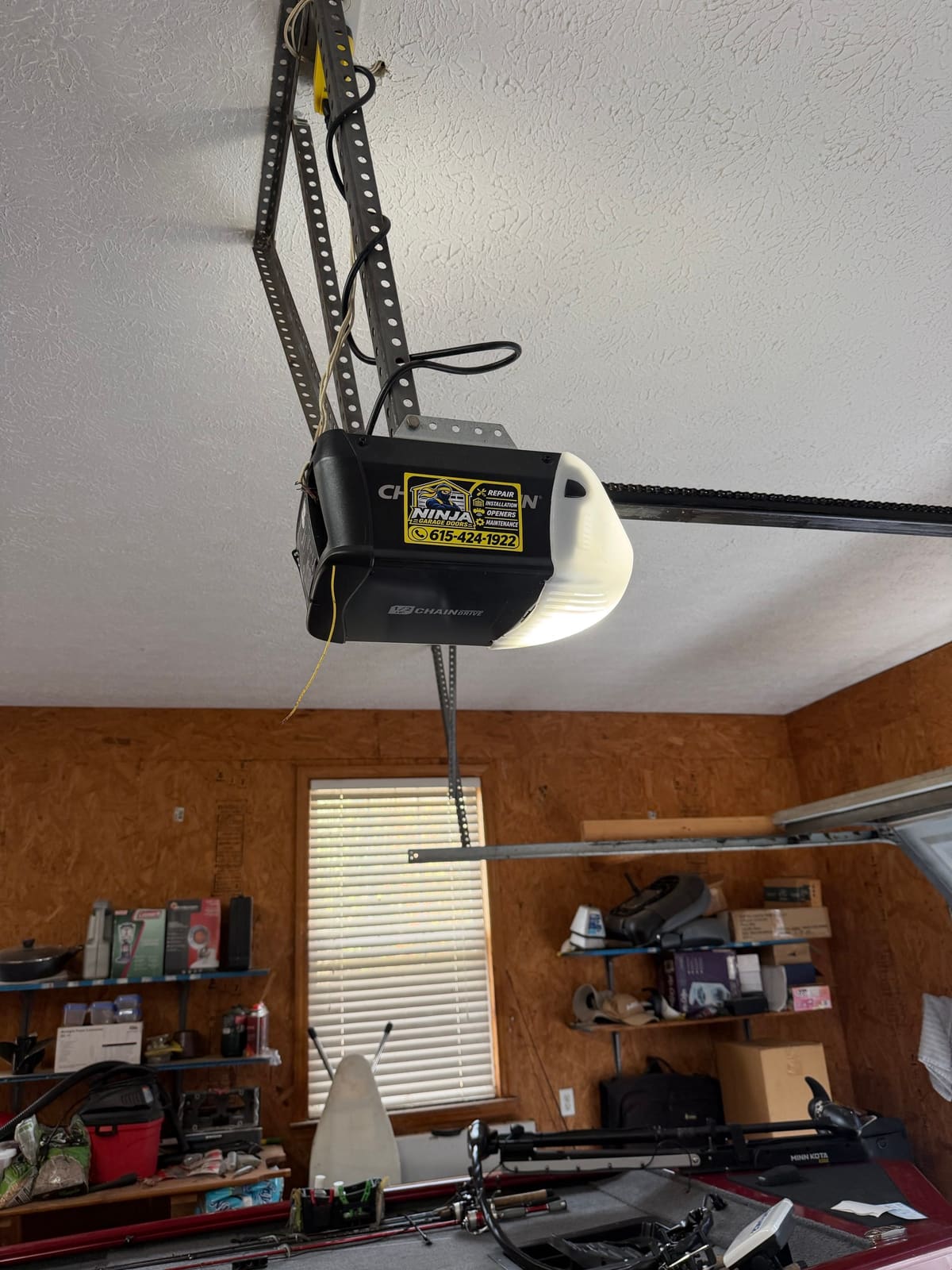
An opener visit typically covers:
- Disconnect the opener and check that the door is balanced and moves freely by hand
- Inspect the drive (chain, belt, or screw), trolley, and rail
- Test the photo-eye sensors, wall control, remotes, and keypad
- Check force and travel limit settings
- Run the automatic reversal test
- Explain repair vs. replacement options, including drive types and features you may want
What affects the price
We don’t post one-size-fits-all prices, because the right repair depends on your door. Here’s what changes the cost — and you’ll hear the price before any work starts.
- Repair or replace
- A sensor realignment is a small job; a new opener with installation is a larger one.
- Drive type
- Chain, belt, screw, direct-drive, and wall-mount openers differ in price, noise, and installation.
- Features
- Battery backup, smartphone control, and keypads add cost but may be worth it for your household.
- Door condition
- If the door needs spring or roller work first, that is part of doing the job right.
Repair or replace?
Repair usually makes sense when
- The opener is relatively new and the failure is a single part (gear, sensor, board, remote)
- Replacement parts are still available for your model
Replacement is worth considering when
- The opener is old enough that it may lack modern safety features
- Repairs are recurring or parts are no longer made
- You want a quieter belt drive, battery backup, or smart features
Federal safety rules have required openers made since 1993 to include an automatic-reversal safety system such as photo-eyes. If yours has no sensors near the floor, it is time to replace it.
Opener safety checks you can do monthly
- Reversal test: lay a 2×4 flat on the floor under the door and close it. The door should reverse when it touches the board.
- Photo-eye test: close the door and wave an object through the sensor beam. The door should stop and reverse.
- Keep remotes away from children and mount the wall button out of their reach.
- If either test fails, stop using the opener and have it checked.
Opener Repair & Installation FAQ
Can you install a new opener on my existing door?
Usually, yes, as long as the door is balanced and in good working order. If the springs or rollers need work, that is done first so the new opener is not overloaded.
Which opener drive type is quietest?
Belt-drive and direct-drive openers are generally quieter than chain-drive units, which matters if there is a bedroom over or next to the garage.
Is battery backup worth it?
If storms knock out your power, battery backup lets you open and close the door without using the manual release. It is worth considering in Middle Tennessee.
Why does my door reverse in the afternoon?
Strong sunlight hitting a photo-eye can interfere with the beam. Repositioning or shading the sensor often solves it.